
Lending Clarity in a Confused Workplace Era

Date

April 21, 2021

Author

Steve Adams - Banker & Tradesman Staff

This article initially appeared in Banker & Tradesman on April 18, 2021.

With her specialty in interior design, TRIA’s Marilyn Shen says she spends the vast majority of her time anticipating people’s needs and likes. That emphasis has taken on a paramount role in her new position as the Boston-based firm’s director of integrated workplace design, as companies ponder how to configure their post-pandemic real estate. Architecture was a change of career for Shen, who started out in consulting and, like many professionals of her age group, enrolled in graduate school following the dotcom meltdown. Shen joined TRIA in March following 15 years at Visnick & Caulfield.

Q: How are clients approaching their future workplace strategies as the pandemic appears to recede?

A: I think a lot of clients are confused. Nobody knows what to do, so there are no steps to figure out because nobody knows what’s happening next. Now we’re opening a new stage where people are starting to think about it. More people are getting vaccinated and people are trying to think about how we bring people back and more importantly, do people want to get back? They are going into a cultural assessment of what does a hybrid model look like, and what does that mean to the space? A lot of clients are asking if we can assess, in surveys, why people would want to come back to work and how to make people feel comfortable. Where most places are hoping to land is something like a hybrid model where we don’t design the space for the whole population. Even pre-pandemic, a lot of companies were trying to get to that. They just couldn’t get over the hump of the remote worker. Pre-pandemic, nobody had an assigned desk. Because of COVID, desk sharing is more of a concern. People now want their dedicated space.

Q: Is bench seating gone for good?

A: I don’t know if it’s no longer in the picture, but I do think more barriers and the 6-foot distancing model will stick around. People will feel most comfortable if they’re spread apart.

Q: What sort of questions do you ask in the employee surveys?

A: The first thing to understand is why people would come back to the office, and what is the type of work that requires you to come back to the office, and to design a reason for people to want to come back. It’s around teaming, collaboration, mentoring and what you’re missing being at home. The survey also addresses what tasks you feel are more productively done at home. Other clients question the culture and social aspect of work, and how that impacts their relationships with coworkers and creativity and innovation. That’s a big topic.

Q: Do the responses vary significantly by industry?

A: From my own personal observation, I feel everybody is equally confused. But I think it’s less industry based, but more generation-based. I look at TRIA: Our offices stayed open because we were deemed essential, and it’s interesting to find most of our junior staff don’t come in as much because they’re much more comfortable doing things remotely and they grew up with the virtual meeting as “normal.” For us who are used to seeing people in person, it’s different and you see more of the older generation at work.

Q: What programming tools do you use to help clients make these decisions?

A: Our programming process is quantitative and qualitative. The quantitative is how big and how many? We set up a spreadsheet, put the square-footage and people in and how much space you need. With COVID, circulation needs to be increased. The other, which is more qualitative, is visioning sessions and interviews with clients to understand their culture and what they want to accomplish. The space is where our clients create a culture for their employees and their clients, so it’s asking questions about what they want and need in the space.

Q: How can architects use design to advance diversity, equity and inclusion?

A: I’m a firm believer in universal design as a concept. A lot of people think only in terms of accessibility. That’s one thing. You want to design a space that makes every person feel comfortable. We should be celebrating ramps instead of making it an additional thing in case somebody needs it. You’re not just doing that for the person in the wheelchair. You’re doing it for the employee who goes skiing and breaks a leg. It isn’t just about the disability. You’ve got to include everyone, whether they’re tall or short. I’m 5–1, so some spaces are hard to navigate and read something at a typical height.

It’s also to celebrate cultural diversity and pay attention to the psychology of certain colors. Some colors mean things that make people uncomfortable. My mom always tells me in Asian culture, red is a very lucky color. If you look at the stock market in Asia, red is positive and green is negative. It’s creating these things that everybody enjoys and celebrating diversity. As a woman and mother, we talk about wellness rooms that double as a sick room. As a working mother, I do not want to pump my milk in a room that somebody just got sick in. It just doesn’t make sense. It’s simple stuff.

Q: As an Asian woman, have you encountered biased attitudes or treatment in your professional life?

A: I definitely have in my career experienced stereotyping but I can tell you whether it’s because I’m a woman or an Asian. The fortunate thing is we live in a community where diversity is celebrated. I feel my Asian identity has less of an influence than being a woman, but it’s hard for me to decipher because I’m both all the time. It’s getting better, but a lot of clients, when I’m having a meeting with the C-suite, often I’m the only woman in a room of older white men. There is always this stereotype because I look younger: Does she know what she’s doing? Fortunately, it hasn’t been to the point where it’s been crippling or I can’t handle it.

Q: How has your own work routine changed over the past year, and how do you rate your own productivity compared to pre-pandemic?

A: I come in more often because I’m new to TRIA, so for me to meet people and establish my presence and understand the culture, I need to be physically here. I have been coming in three days, and the last two weeks four days, on average. I think people are productive. When doing head down work, checking emails, it’s much easier at home in some ways because there’s no distractions. The benefit to the office is doing collaborative work, especially creative work.

Shen’s Five Favorite Children’s Books:
1. “The Little Prince” by Antoine de Saint-Exupery
2. “The Giving Tree” by Shel Silverstein
3. “Saturday” by Oge Mora
4. “Guess How Much I Love You” by Sam McBratney
5. “Harold and the Purple Crayon” by Crockett Johnson
COVID-19 Fueling Office to Lab Conversions

Date

October 27, 2020

Author

Edwin Hargrave

Staff Bio

Edwin Hargrave, AIA is Director of Integrated Design, Science and Technology & Associate Principal at TRIA.

This article initially appeared in High Profile on October 27, 2020.

Imagine being in the throes of designing a gleaming new office building and a global pandemic forces people out of offices and into their homes. It sounds like it could be a scene out of a sci-fi movie but it’s the situation many developers find themselves in as companies scale back on space.

Office projects in design today run the risk of sitting vacant for years. It’s no surprise that in the home of one of the largest life sciences clusters in the country, developers are choosing to convert some or all planned commercial buildings into lab space.

Clients are asking us to reconfigure office projects midstream in the planning process to capture the demand for lab space. The decision to convert depends on several factors including the location of the property relative to existing life science hubs, size of the floor plates, the spacing of the column bays, and the location of air handling units and related central mechanical systems.

Developers contemplating refocusing the design of office projects should first huddle with a team, including architects, to determine what is possible. Here is what the design team will need to consider before making any recommendations.

Base Building Considerations

  • Examine the core of the building to determine what modifications are necessary to incorporate adequate shafts and understand the impact on the rentable area.
  • Evaluate the roofscape’s potential for large air handling equipment necessary to ventilate the laboratory spaces. The preference would be to create a centralized air system on the roof, as opposed to on-floor systems serving a single tenant.
  • Consider placing building-wide lab support spaces (e.g., mechanical rooms for shared lab services) in less desirable space such as a basement or remote areas of the ground floor. Having activated space such as shared amenities or food and beverage on the ground floor is highly desirable to attracting the best and brightest life sciences workforce.
  • Review ground floors to determine if there is enough loading dock access to handle deliveries for lab-oriented tenants without conflicting with other tenants.

The best time to consider converting an office project to lab is when the building is still on paper, not when cranes are in the air, or worse, when the lights are on.

Tenant Floor Considerations

  • Floor-to-floor height: 14’-6” generally accommodates most biology and chemistry laboratory programs.
  • Column bay spacing: 33’ is becoming the norm, providing 11’ bays which accommodate emerging oversized automated equipment and large tissue culture labs, while providing adequate aisles.
  • Size of the floor plate: 30,000 – 60,000 useable square feet (USF) will accommodate single or multiple tenants.
  • Possibility of linking floors for larger tenants: Consider an interconnecting open stair as an active hub to create a sense of community across two or more floors.

Final Steps to Ensure Success

  • Confirm with the landlord that capital investments in conversion will meet long-term financial models for the property.
  • Determine if the entire property warrants conversion.  Chemical Storage Regulations favor situating tenants with labs on floors six or below.  In substantially taller buildings, consider a partial mechanical floor mid-building to serve the lab floors without compromising the floor plates above.
  • Conduct test fits of typical life sciences lab/office programs to validate the floor plate configuration will yield a satisfactory arrangement for a wide range of tenants.
  • Ensure the design promotes a sense of community throughout the building.  Life sciences companies succeed through discovery, which is fostered by collaboration and interaction.

Reconceiving projects during design from office use to lab/office use is a savvy short-term solution to the current lack of demand for office space.  With a well-informed shift in design focus, the results can be equally as successful as if they were the original intentions.

The Flexible Design of Post COVID-19 Workplaces

Date

October 7, 2020

Author

Lucianna Scordo, Melissa Kennedy & Neli Ialamov

Staff Bio

This pandemic has surely changed the way of the world. It has also significantly impacted the way we work. So, what is to come for workplace design?

With the spread of COVID-19, a dramatic shift has taken place in the way we work and interact with our colleagues and clients. As we continue to learn more about the virus and methods of prevention, we look to the future to see what lessons can be drawn from this pandemic, and how our offices can be better prepared in the years to come. Even in a post-COVID-19 world, when temperatures start to drop and we enter cold and flu season, it will be more important than ever for employees not only to be safe from the spread of germs, but also FEEL safe in an office environment.

So, where is corporate interior design heading? Here are some of our top predictions:

Flexible design still reigns

The pandemic has shown us that companies benefit from remaining flexible and fluid in unprecedented times, both within the office space and when addressing unforeseen challenges. While established offices have quickly pivoted to implement social distancing and rigorous cleaning practices, future office spaces can rely on pre-meditated design choices to mitigate the risks of future viruses, from large-scale pandemics to the common flu. This will ultimately lead to safer, more agile environments where both employees and clients feel safe doing business.

Open office may get even more open

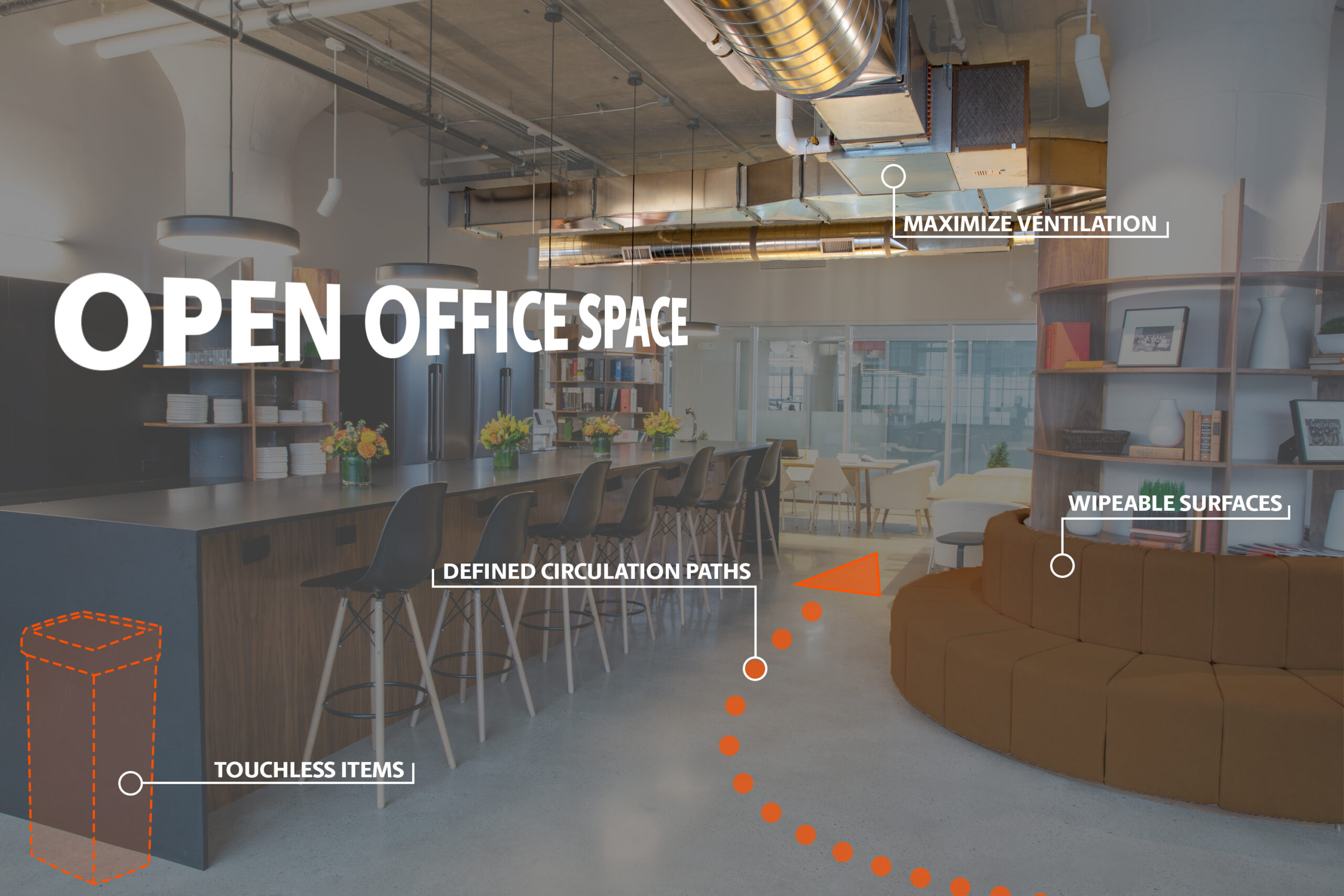
While at first glance, one might assume that open collaboration spaces would be less desirable in future designs to properly maintain social distancing, we believe the opposite to be the case. Enclosed areas may be phased out to support the introduction of an advanced open office, which prioritizes proper circulation and air filtration. An open space allows employees to remain socially distanced, rather than being confined to an enclosed office or meeting room. In addition, defined circulation paths let employees move throughout the space in a manner that promotes one-way travel, to limit close interaction, and circumvents encroaching on others’ workspaces. Obviously, with this true open office plan, challenges will be presented, such as noise considerations.

Bring fresh air into the space

As previously mentioned, air circulation is something that is now and will continue to be an important element of office design. This design development will lead to close collaboration between the architect and engineers, as we work to find the most efficient method to consistently reintroduce and circulate fresh air into the office.

Surfaces needs to be cleanable

As has already started to be the case, design will pivot to the use of materials that are easily cleaned, such as plexiglass and wipeable fabric. Even when this pandemic is over, we still see the cleanability of shared surfaces to be an important consideration of design.

 Consider touchless items

Automated mechanisms will be integrated into the office design, with the proliferation of touchless technology for high-traffic objects such as trash cans, doors, and soap dispensers. The reduction of touchable shared surfaces will limit the spread of germs amongst staff and visitors, and lead to less clean-up overall.

Organized PPE

Just as there are personal protective equipment (PPE) stations in lab spaces, we envision such stations becoming more prevalent in offices to mitigate the risk of the spread of germs. These stations may even become an element of the design in the space, creating a functional yet elegant solution to distribute hand sanitizer, masks, and gloves. Cleanliness has always had its place in design, but we now see opportunities to expand the design with simple and cost-effective changes.

Our office spaces will adapt and evolve to best serve both business and employee needs. However, as it is difficult to foresee every challenge the future may hold, one thing remains certain: flexible and agile spaces that allow us to pivot with our changing needs will continue to be at the core of every design.

The Importance of Who and What During Pre-Design: Designing for Your Company

Date

April 22, 2020

Author

Neli Ialamov

Staff Bio

Neli Ialamov

TRIA has prided itself on a holistic design approach since its founding. Using a specialized visioning and programming series, our team takes its time to understand the specific needs and requirements of a company, its leadership, and employees. This process has been honed and refined over the years, allowing our designers to tailor each project to reflect a company’s core values and principles without sacrificing efficiency and cost-awareness. But what exactly does visioning and programming entail?

Visioning is the process of understanding who a company is, and who they want to be moving forward in the future. At TRIA, we rely heavily on “inspiration images” during this process. Over a series of meetings with leadership, various employee divisions, and many times the company as a whole, “inspiration images” are presented to understand the likes, dislikes, and needs of an office. These images can portray material, color, texture, lighting, organization and more. Once as much feedback as possible is received, it’s important to review notes and synthesizethe overarching themes revealed. This creates a baseline understanding of company culture, in addition to allowing employees across all levels to better comprehend the individual wants and requirements of their coworkers.

Going hand-in-hand with visioning, programming research defines what a company requires to function effectively. This phase acknowledges the current state of the office, and searches for redundancies or inefficiencies, in addition to what is already working well. While visioning allows for a more qualitative approach, programming relies heavily on the quantification of the business’ day to day and foreseeable future. For example, a company might currently have four dedicated collaboration spaces that are frequently booked, however is anticipating hiring twenty more employees over the next year. It is important to take this information and calculate whether the current collaboration space count can effectively serve the additional employees, or whether more spaces will need to be planned. This sort of thinking can be extended down to each individual in the company, in terms of seating and desk preferences, organizational needs, technological requirements and more.

The combined effect of visioning and programming during pre-design creates a design reflective not only of the core values of the company, but also the needs of its employee base. TRIA’s extensive experience with offering a holistic design approach has repeatedly shown the importance of offering employees a space that best suits their daily activity. As staff dedicate 40+ hours a week to their work, it is critical to supply employees with amenities that assist in their satisfaction and efficiency. This not only increases staff support, but also the general company output. By giving everyone in the company an opportunity to partake in the design and final feel of their office, you are giving employees a sense of autonomy and responsibility, strengthening the bond existing between co-workers and leadership.

A Note from TRIA Regarding Covid-19

Date

March 20, 2020

We are closely monitoring the COVID-19 situation and taking precautions to make sure the safety and health of our employees, clients, and partners are our number one priority. Needless to say, the heart of our core values are relationships and making sure we stay committed to our clients. Because of this, TRIA is dedicated to serving our clients and making sure that we continue to meet our deliverables and ongoing project needs. We are proud of the fact that many of the clients we serve are in the life sciences industry, a critical need now and always.

The following are just a few ways we are putting safety first:

  • We are thankful that technology has enabled all our employees the ability to work from home. While the TRIA office remains open for employees that prefer to come in, most of us have set up fully functioning workstations at home.
  • In our office, daily deep cleans are taking place to protect our employees who prefer to work from the office.
  • We encourage our staff to schedule client and/or project team meetings virtually to support the need for social distancing and limited travel.
  • Communication is key during this time. Leadership continues to send emails to staff with updates to this ever-evolving situation. All employees have Skype for Business enabled to allow for easy contact with one another.

At TRIA, we will continue to monitor the situation and respond to changing needs during this unknown time. We stay committed to the safety of our employees, continuing to meet project deliverables, and doing our part to limit the spread of COVID-19.

Last, but not least, we want to deeply thank the healthcare workers in Boston and around the world who are working tirelessly to treat patients. Our thoughts are with these fighters.

Be well,

Your friends at TRIA

Event Spotlight: Love, TRIA

Date

February 27, 2020

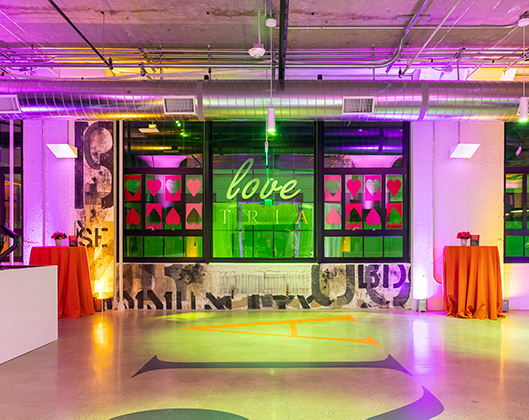
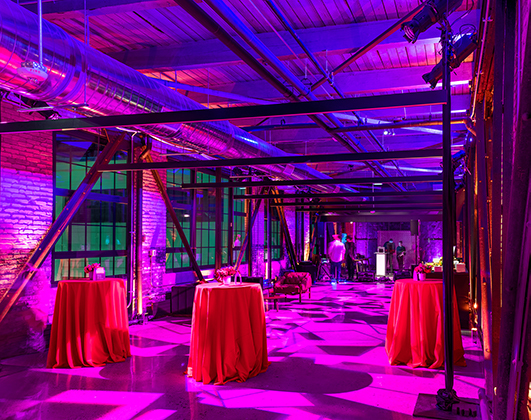
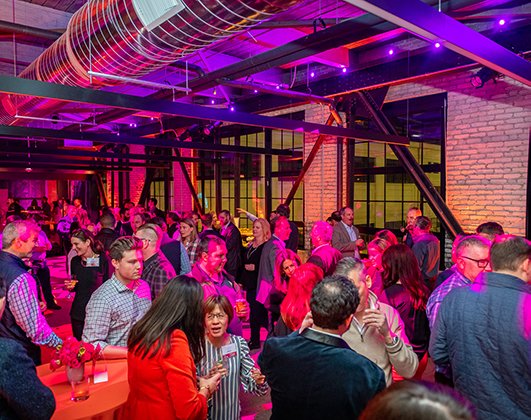
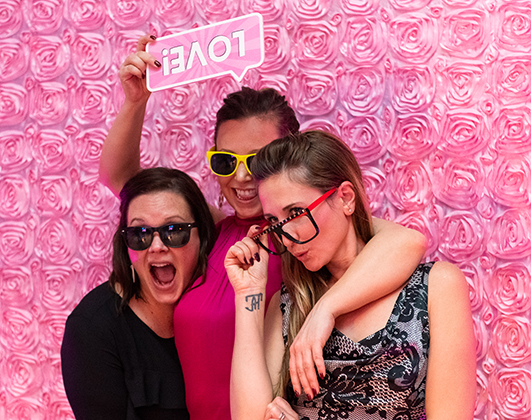
TRIA recently expanded into the space next to our original office to accommodate our growing staff. We wanted to think of a way to thank both our employees, partners, and our clients for making this continued growth possible, whilst also showing off the design of our new space. With Valentine’s Day around the corner, what better way than an open house event?

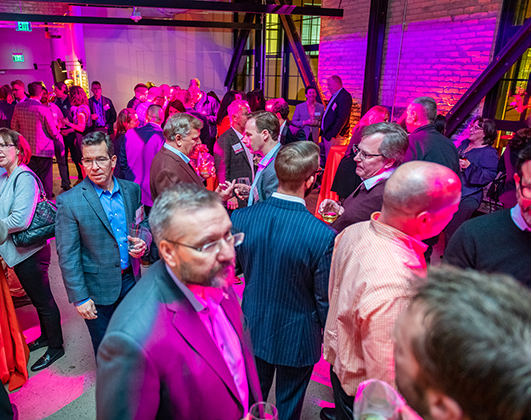
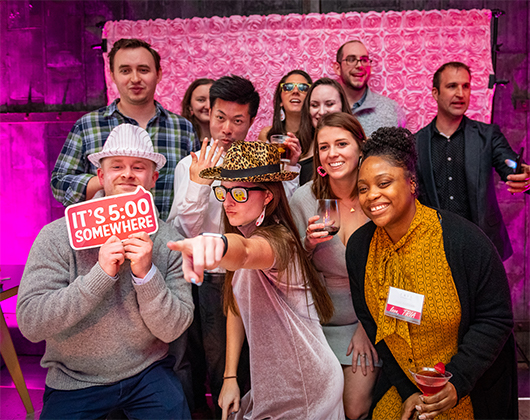
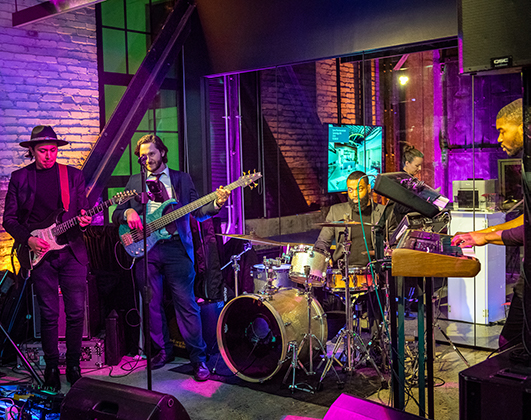
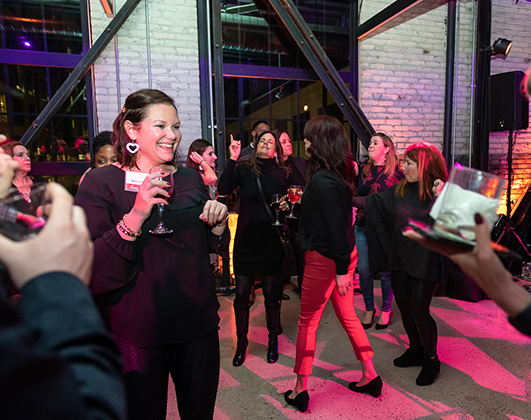
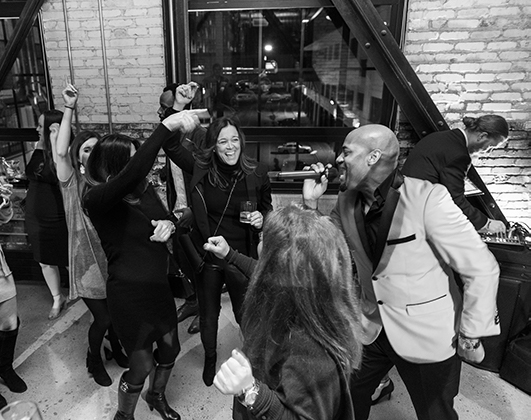
The result was a Valentine themed celebration hosted in our own office, complete with a dance floor and live music. With almost 350 attendees, it was an incredible night filled with good company and lots of laughs! We want to thank everyone’s effort in making this happen, and of course, thank you to everyone who joined us for the evening.

Event Spotlight: IIDA New England Fashion Show

Date

November 26, 2019

Author

Staci Barber & Donald Bárány

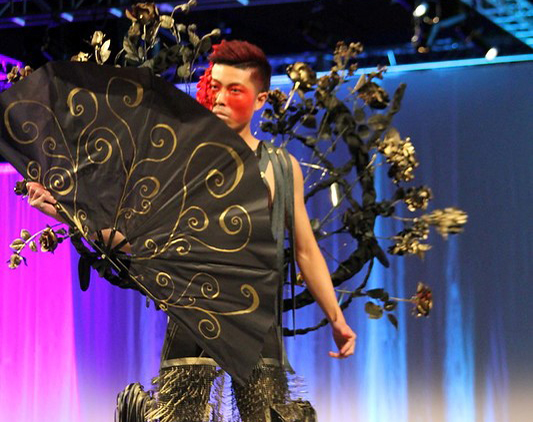
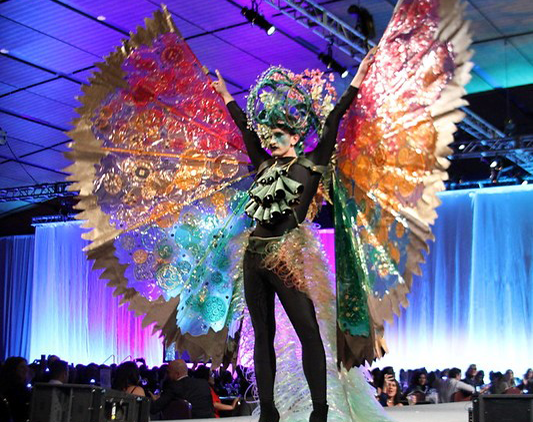
One of our favorite annual events just passed: the IIDA New England Fashion Show! We just love to see all the incredible outfits that grace the runway, and 2019 brought along some exciting changes. Each submission pulled a sub-theme to the overall theme, PORTALS: TRIA’s sub-theme was Jurassic Park. We had a lot of fun with this one!

We teamed up with Reflex Lighting and Wolf Gordon and chose to have two models.

Model 1 –  Thomas Choi represented the human, Ian Malcolm, aka, beloved actor, Jeff Goldblum. This ensemble was largely represented by Wolf Gordon materials. The outfit was dark, made up of shades of black with accents of red. As the human stuck within Jurassic Park, he has been attacked – he is bloody – but he is a survivor.

Deconstructed Materials Included:

  • Upholstery
  • Wall Cover

Model 2 – Our second model was Ryan Whitcomb who represented the dinosaur, the dilophosaurus, dressed in an outfit largely consisting of materials provided by Reflex Lighting. For inspiration, we looked to the dinosaur’s descendants: birds. This outfit was much more colorful and vibrant than the human’s and focused on transparency and beauty. The dinosaur shows off – he is the ultimate predator and fears no one.

Deconstructed Materials Included:

  • Wire
  • Zip Ties
  • Polypropylene
  • Galvanized Steel Mesh
  • Crystals

This year was extra special for us as our team won the award for Most Innovative. Also, Ryan got to strut his stuff on the runway as runner up for Best Walk. Let’s just say, our voices were a little raspy the next day from all the cheering.

Can’t wait for next year!

Special shout out: Another reason we love this annual event is that proceeds go towards a charity beneficiary.  This year’s beneficiary was YouthBuild Boston, providing underserved young people with the support and credentials needed to successfully enter the building trades. Find out more about YouthBuild Boston here: www.youthbuildboston.org.

Event Spotlight: Battle of the Biotech Bands

Date

July 1, 2019

Author

Staci Barber & Donald Bárány

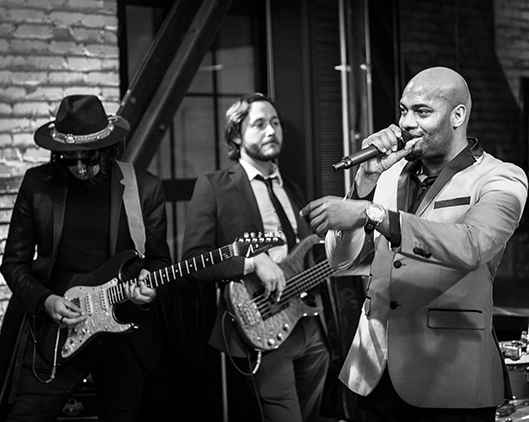
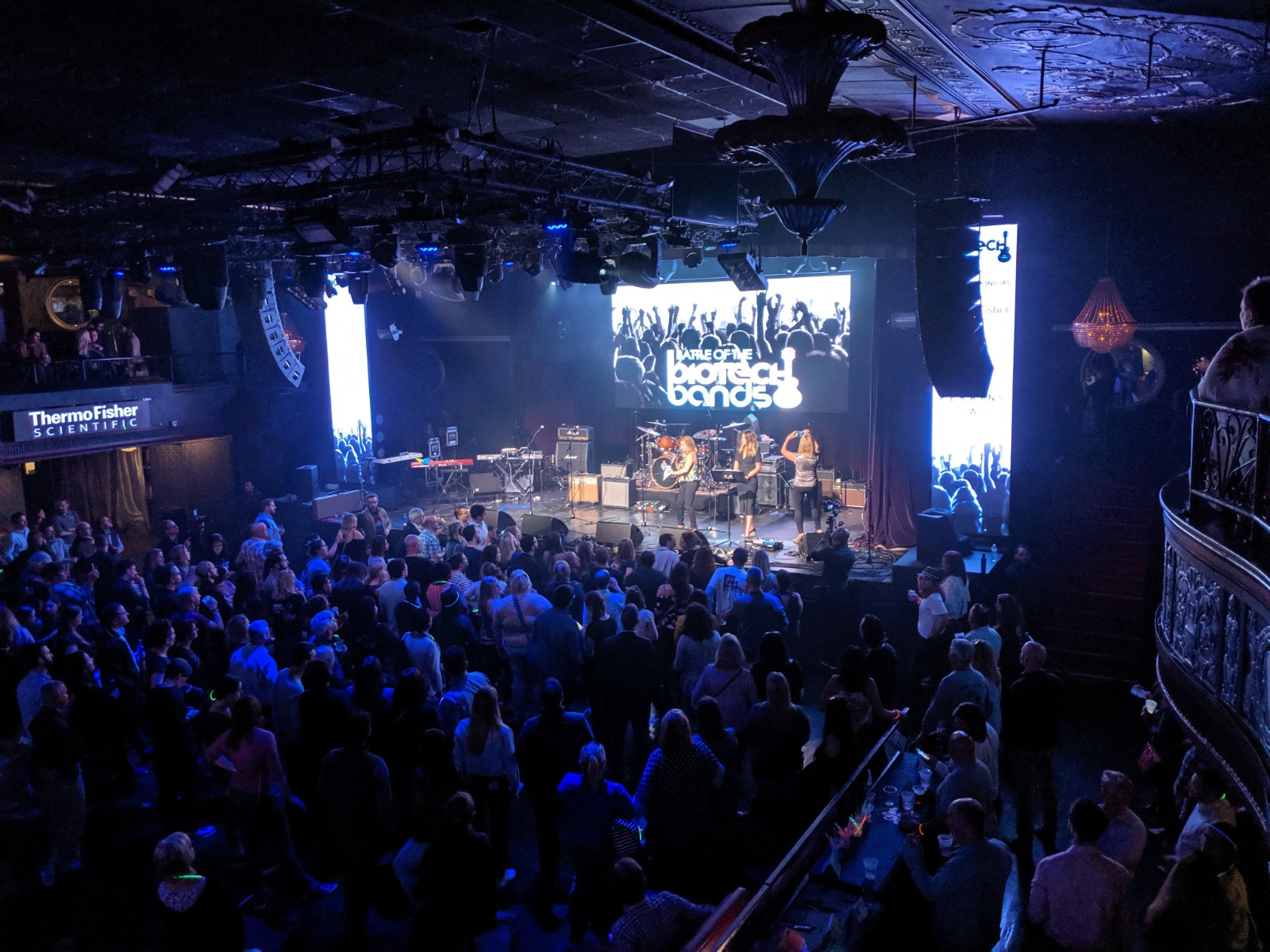
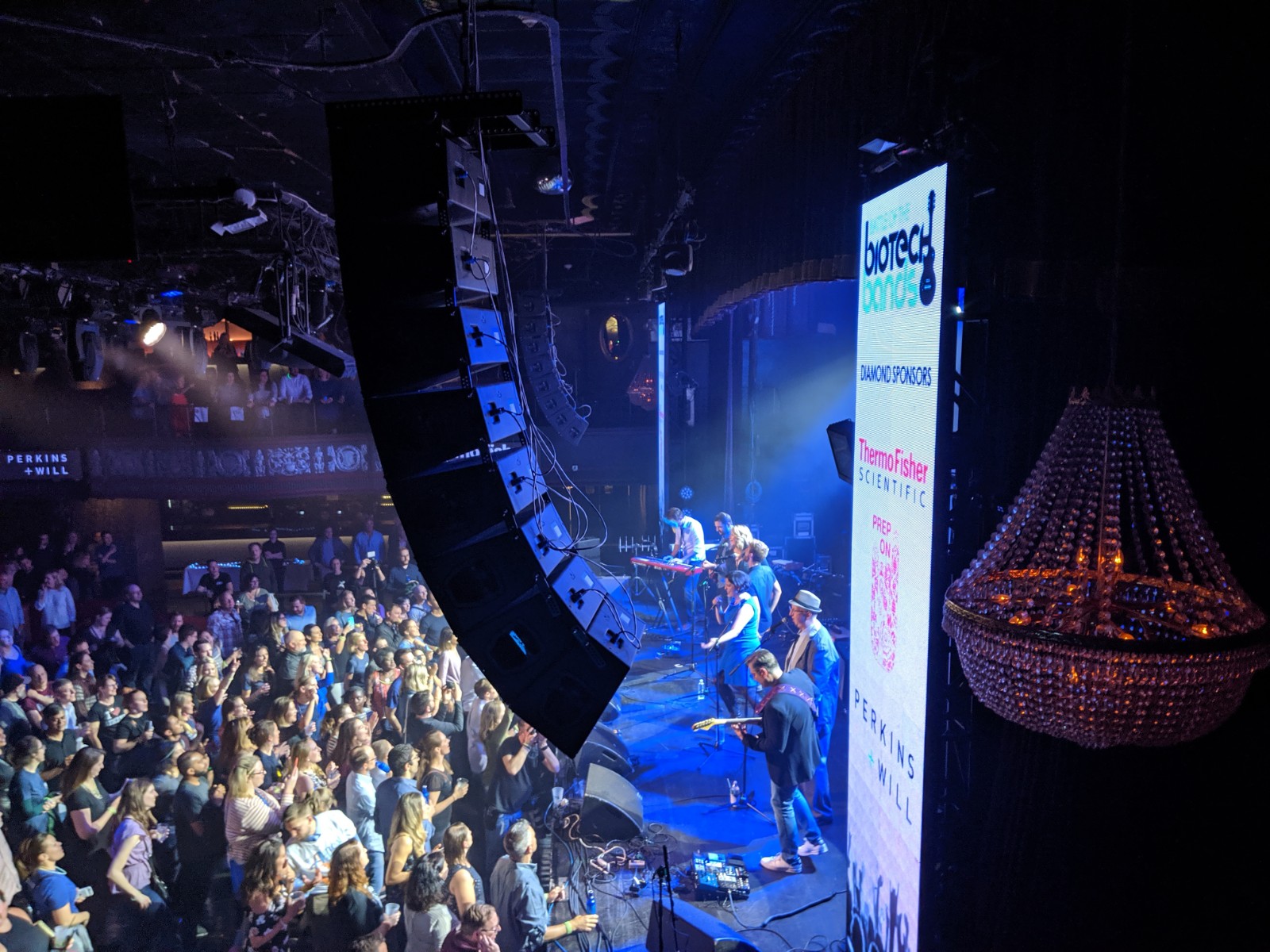
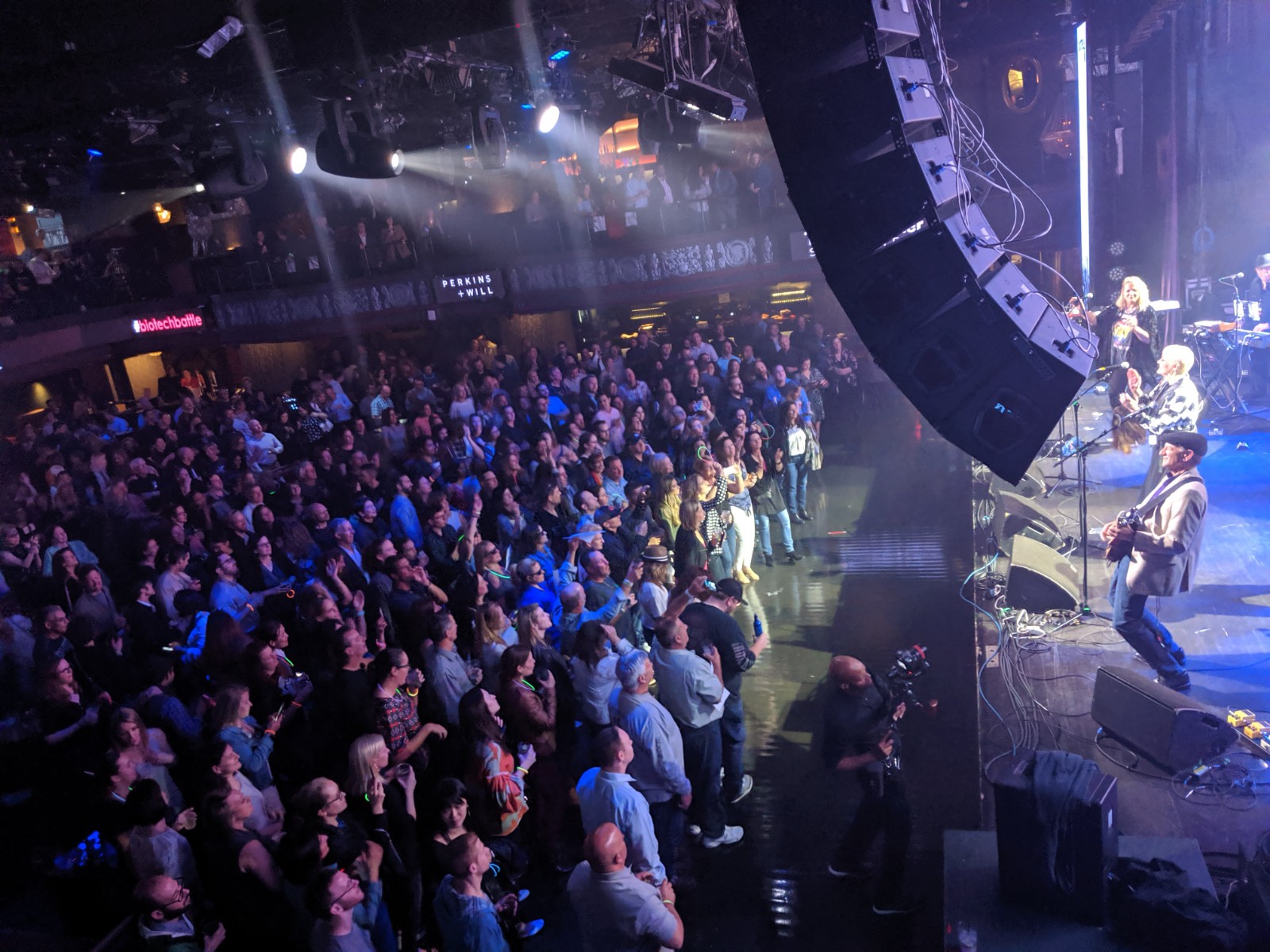
The 6th annual Battle of the Biotech Bands was on May 30th.  Each year, four bands consisting of biotech industry employees, compete for the number one spot with hit-covers and an energy that never fails to amaze. The winner is awarded 50% of the event’s proceeds, which are donated to the charity of their choosing. The remaining proceeds are split amongst the other bands’ chosen charities.

2019 bands and charities:

The Battle of the Biotech Bands is a super fun event, and one that we at TRIA like to support. This year, we (Donald and Staci) were given the opportunity to act as band leads. Working closely with the event co-chairs and the band members, we helped to make sure that shared instruments would be available, sound check times were scheduled, and, most importantly, that everyone would be comfortable when it was their turn to hit the stage. Being backstage offered us a different perspective, but one that was just as fun as being among the crowd.

This year, Battle of the Biotech Bands raised $120,000 for charity. A commendable achievement aided by the hard work of the bands, organizers, volunteers, and attendees.

Check out some of the pictures we took backstage. Can’t wait for next year!

Creating the Look of Daylight in a Repositioned Lobby

DATE

January 24, 2019

Author

Donald Bárány

Staff Bio

Donald Bárány

Donald Bárány

Refreshed lobby at 38 Sidney Street
Photo by Sri Thumati Photography

Article originally appeared in High-Profile Monthly on January 24, 2019.

It’s clear that an attractive building lobby can help attract potential tenants. With that goal in mind, Forest City Realty Trust, now owned by Brookfield Properties, endeavored to update all the office building lobbies at University Park at MIT, a mixed-use science and technology park adjacent to the Massachusetts Institute of Technology in Cambridge. The Clark Building at 38 Sidney Street, a five-story, 122,000sf office, research, and lab building, houses several major pharmaceutical and healthcare companies and fronts the University Park Common, the central greenspace of the campus setting. Design firm TRIA was engaged to create a refreshed lobby for 38 Sidney Street and achieve a new building positioning that would appeal to biotech tenants while maintaining a cohesive look amongst the other recently updated adjacent building lobbies.

Built in the 1980s, the existing lobby space at 38 Sidney was dark and dated and had limited natural lighting. TRIA’s design intent was to create a more timeless, museum-like setting by utilizing a simple, modern design. The design centered around the core concept of creating the illusion of natural daylight deep inside the space.

The main focal point of the lobby is the winding glass-and-steel staircase that features a large, stretched-fabric lighted fixture on the ceiling to help mimic natural daylight and reflect light off the glass. Throughout the lobby, indirect recessed lighting is cleverly integrated into the architecture to flood the space with light and cause light to sparkle, like natural sunlight, through the glass treads of the staircase.

A complex design of “stepped” folding walls and ceilings feature embedded LED lights that frame the eye through the lobby, to the vestibule of the main entrance where University Park Common is visible. Delicate recessed LED wall washers follow the folding geometry to create a cascade of light. Light-colored wood-paneled walls balance the cascading effect of the walls and ceilings while providing a neutral backdrop. A custom-made quartz reception desk offers visitors a veritable art piece in the museum-looking space, and a cozy sitting area adjacent to reception features two LCD screens recessed into the wall to display a building directory and other news.

From the lobby, dark walnut wood-framed openings create thresholds to two tenant corridor spaces. The stone-sourced light tile lobby floor shifts to complementary toned carpets in these corridors, with a dropped cloud ceiling accentuating the spaces. Natural plants and banquette seating with green cushions draw the colors of nature from University Park Common into the lobby.

TRIA collaborated closely with Siena Construction to construct the complicated architecture of folding geometry, integrated lighting, and staircase at 38 Sidney Street. Structural engineering firm Goldstein-Milano consulted on the glass-and-steel staircase as well as the infill of the two-story atrium space above the main entrance. The project team also included WB Engineers + Consultants for MEP engineering and Reflex Lighting for light fixture selection.

About the Author

Donald Bárány is a project designer at TRIA, a partner-led architecture firm with a focus on designing unique spaces for science & technology and corporate clients. For more information, please visit https://tria.design/.

Specialized Facilities Require Unique Design Expertise

Date

November 1, 2018

Author

Jonathan Romig

Staff Bio

Jonathan Romig

Article originally appeared in High-Profile Monthly on October 25, 2018.

Within the growing biotech and life sciences sector in the Boston area, the requirements for successful lab space design are well understood by owners and designers in this field. Most labs and research facilities have become quite straightforward in their design, following best practices for flexibility, compliance, and function. More challenging are the specialized facilities that must meet very demanding requirements in order for them to perform properly and safely. Those requirements are what really differentiate these facilities from the bulk of research facilities that are designed today.

What is a specialized facility? There are four notable categories:

  1. cGMP “Current Good Manufacturing Practices” facilities,for drug, device, and HCT/P (human cells, tissues, and related products) manufacturing, need to meet strict regulatory requirements for the manufacture of safe and effective products;
  2. Micro-electronics and nano-technology facilities require cleanrooms and low-vibration spaces that are typically outside the range of normal laboratories;
  3. Biocontainment facilities require precise environmental controls for research on infectious diseases; and
  4. Vivarium, or animal care facilities, involve a more rigorous set of requirements than a standard research facility. These facilities must provide a stable and humane environment for the animals while controlling the transmission of disease.

These specialized environments do have some aspects in common. First, specialized facilities in general are unlike common research spaces. They typically don’t utilize a modular, flexible design strategy, as their demanding uses don’t lend themselves to generic, repetitive space elements. Instead, spaces in most specialized facilities are custom-tailored to their special and demanding functional needs, and sometimes even necessitate the construction of dedicated buildings when the structure, infrastructure and service need can’t be met by a standard research building. Second, depending on the building and end user’s budget, the functional spaces in specialized facilities are sometimes supported by an interstitial floor of mechanical services and equipment. All four categories of the above mentioned facilities require high air flows and air changes to keep the air either clean or contained to protect the laboratory process, people, and/or the environment. The interstitial floor, consisting of a double-floor or a suspended deck in a double-height space, provides a level above the functional space for air systems and equipment to service the working area. While the interstitial floor is sometimes preferable, it is important to note that there are other design options that may better suit the end user’s specific needs. Finally, specialized facilities are significantly more expensive than traditional research space, so they need to be carefully designed to be cost-effective while still performing well.

Because specialized facilities are very costly and difficult to create, and particularly difficult to modify or expand later after construction, it’s critically important to get it right. It is fairly common to “overdesign” a facility of this type in performance characteristics such as space, capacity, and systems. Mechanical systems may be installed with more capacity than current needs dictate or to support future expansion. The specifications and performance of the floor slab may be enhanced to create an ultra-low vibration environment that exceeds thresholds for conducting sensitive testing or research, particularly in nanotechnology and microelectronics facilities. For owners, there is security in designing a high-performance facility so that it serves their needs today and in the future.

The best advice? Get a qualified and experienced design firm involved from the very beginning. Specialized research and manufacturing environments are mission-critical facilities that are complex to design, must perform at their intended level, and leave no room for error in meeting function, building codes and guidance documents. Micro-electronics and nano-technology facilities use hazardous chemicals, life science cleanrooms are defined by the particulate count in the air, biocontainment facilities must prevent the release of deadly diseases, and vivarium must provide a healthy and controlled environment for sensitive research animals.  If a facility doesn’t operate properly and precisely when completed, the entire mission of the facility and the organization may be at risk. An experienced designer approaches specialized facilities with an eye for reducing risk while providing an increment of innovation in how each facility is designed and procured.

About the Author

Jonathan Romig is a senior project manager and senior lab planner at TRIA, a partner-led architecture firm with a focus on designing unique spaces for science & technology and corporate clients. For more information, please visit https://tria.design/.